
BIG news! Dougy Center will open a new permanent home in Beaverton in early 2027.
August 13th, 2026
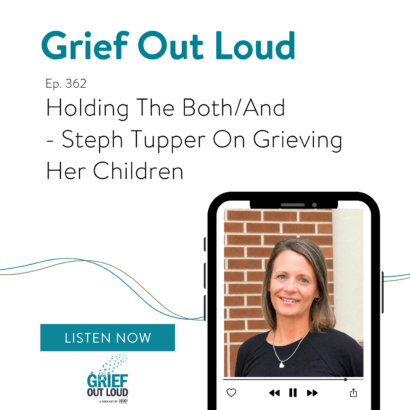
In 2022, Steph Tupper's two older children, Ali and Joe, were killed in a car crash. Ali was 16 and Joe was 14. Four years later, Steph is still learning how to live with the reality of losing her children while continuing to parent her youngest daughter. In this episode, Steph talks openly about the devastating night she learned Ali and Joe had died, the ways she continues to feel connected to them, and the complicated process of building a life around an absence that will never go away. She shares what she has learned about community, judgment from others - and herself, parenting after loss, and allowing grief to unfold without a timeline. In the last four years, Steph has learned how devastating pain and great joy can coexist, and how her capacity to carry grief continues to grow.
Go To Episode
When it comes to grief support for teens, SLAP'D (Surviving Life After a Parent Dies) is a unique online community where teens get support and ideas. directly from other teens, about how to cope with read more...
Go to Episode
Interacting with others while grieving can be wildly confusing and tricky. You’ve probably been there. You run into someone you haven’t seen in a long time, likely in a public spot, and this someone d read more...
Go to Episode
What does it mean to provide culturally aware grief support for families in the Latino community? We explore this question with Cristina Flores, Bilingual Ongoing Groups Manager and Flor Guebara, Span read more...
Go to Episode
In March of 2015 Joe DiNardo's wife, Marcia, died of pancreatic cancer. Before her death, he started writing a letter to her which would eventually become the beginning of his first book, A Letter to read more...
Go to Episode