
Be in the room where HOPE happens! Join us for lunch and inspiration at Focus on Hope, October 27.
September 2nd, 2026
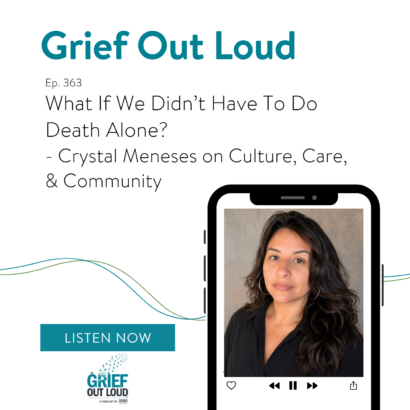
What if we thought about death not as something that needs to be handed over to institutions, but as something that communities could face together? In this episode we talk with Crystal Meneses, a death worker, spiritual counselor, hospice chaplain, artist, musician, and longtime community caregiver. Crystal's path into death work began with watching a recording of her grandfather's funeral in the Philippines, which sparked questions around being able to one day provide a similar ceremony for her father. Questions that inspired her work to help us rethink how we approach death and dying. Crystal and Jana explore the cultural differences in how death and grief are understood, including what Crystal has learned from her Filipino and Indigenous connections. They talk about the possibilities of caring for someone at home, tending to their body after death, creating rituals, and making intentional choices around end-of-life. Crystal also shares what she's witnessed in the communities she serves - including elders, caregivers, young people, and people in prisons and other institutional settings - and the many ways grief goes unsupported. Throughout the conversation, Crystal returns to the importance of relationship: building networks of care, making room for different spiritual beliefs and identities, and practicing togetherness in a culture that often treats death as something to manage alone.
Go To Episode
It's our annual holiday episode, this time with Dougy Center Executive Director and TEDx speaker Brennan Wood. Brennan first encountered Dougy Center after her mom, Doris, died of breast cancer three read more...
Go to Episode
When Kyndal Parks' grandfather died on Black Friday - the day after Thanksgiving – she lost one of her biggest supporters and confidants. While navigating her grief, Kyndal was also navigating life as read more...
Go to Episode
When Hilary was 18, her oldest sister, Kelly, died from a rare cancer called DSRCT (desmoplastic small round cell tumor). In the same year, Hilary left for college and her parents divorced - three lif read more...
Go to Episode
When Cassie arrived at Dougy Center for her first peer grief support group for young adults after her dad died, she sat in the parking lot wondering if she could even walk inside. When she did, she fo read more...
Go to Episode