
Be in the room where HOPE happens! Join us for lunch and inspiration at Focus on Hope, October 27.
September 2nd, 2026
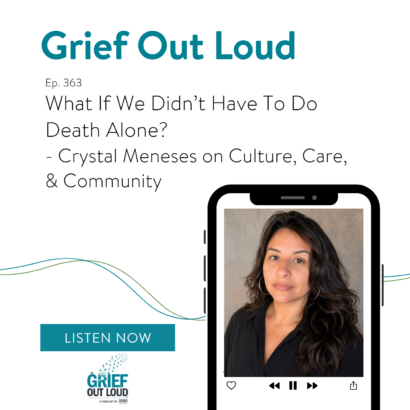
What if we thought about death not as something that needs to be handed over to institutions, but as something that communities could face together? In this episode we talk with Crystal Meneses, a death worker, spiritual counselor, hospice chaplain, artist, musician, and longtime community caregiver. Crystal's path into death work began with watching a recording of her grandfather's funeral in the Philippines, which sparked questions around being able to one day provide a similar ceremony for her father. Questions that inspired her work to help us rethink how we approach death and dying. Crystal and Jana explore the cultural differences in how death and grief are understood, including what Crystal has learned from her Filipino and Indigenous connections. They talk about the possibilities of caring for someone at home, tending to their body after death, creating rituals, and making intentional choices around end-of-life. Crystal also shares what she's witnessed in the communities she serves - including elders, caregivers, young people, and people in prisons and other institutional settings - and the many ways grief goes unsupported. Throughout the conversation, Crystal returns to the importance of relationship: building networks of care, making room for different spiritual beliefs and identities, and practicing togetherness in a culture that often treats death as something to manage alone.
Go To Episode
Jana talks with Erin Shuster about the death of her brother from suicide. A former young adult group participant and volunteer, Erin talks openly about the unique aspects of grief when someone dies of read more...
Go to Episode
Jana and Joan Schweizer Hoff talk about navigating Father’s Day while grieving. Joan, a long-time staff member at The Dougy Center, shares both personal and professional experiences in constructing ne read more...
Go to Episode
Jana and Donna Schuurman discuss terms to avoid, and what to say instead, when talking about suicide. read more...
Go to Episode
Jana and Donna Schuurman discuss terms to avoid, and what to say instead, when talking about suicide. read more...
Go to Episode